Setting up a home studio has never been more accessible, but knowing what to buy can still feel overwhelming. With so many products available, it is easy to spend too much on equipment you do not actually need.
This guide explains the essential components of a beginner home studio and how to prioritise your setup for the best results.
The Computer and DAW
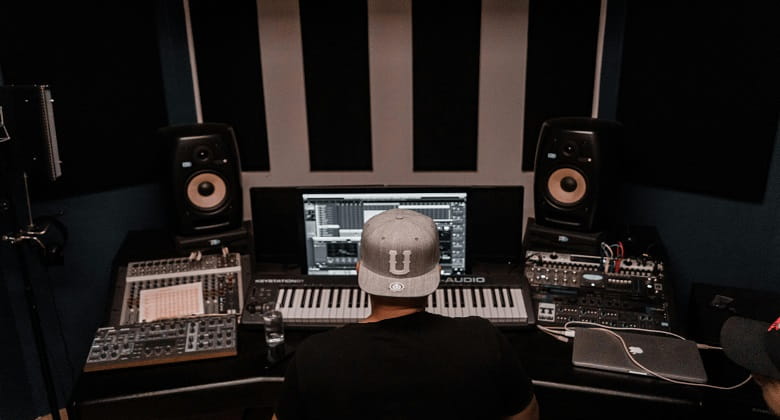
Your computer is the centre of your home studio. It runs your digital audio workstation (DAW), which is the software used for recording and editing audio.
Popular DAWs include Ableton Live, Logic Pro and FL Studio. The best choice depends on your workflow and music style.
Audio Interface
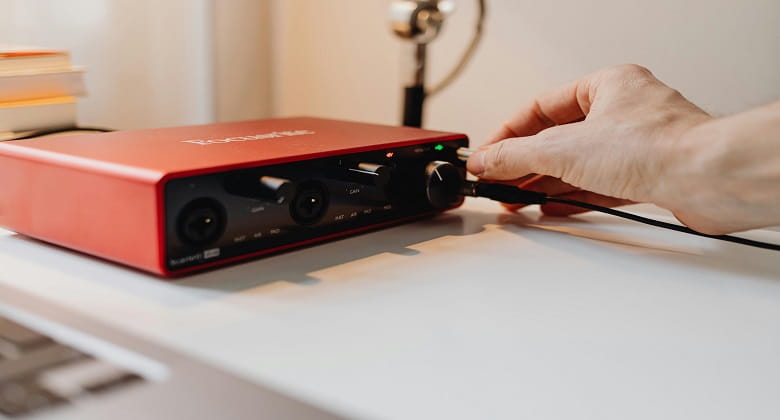
An audio interface allows you to connect microphones and instruments to your computer with better sound quality and lower latency.
A simple two-input interface is enough for most beginners and provides a solid foundation for recording.
Microphones
Microphones vary depending on what you are recording. Condenser microphones are commonly used for vocals due to their clarity, while dynamic microphones are more durable and better suited to louder sound sources.
Headphones and Monitors
Closed-back headphones are useful for recording, while studio monitors are better for mixing. Many beginners start with headphones and add monitors later.
MIDI Controllers
A MIDI keyboard can make it easier to create melodies and control virtual instruments. While not essential, it is a useful addition for music production.
Room Acoustics
Your room has a significant impact on sound quality. Soft furnishings, rugs and basic acoustic treatment can improve recordings and mixes.
Essential Accessories
Microphone stands, cables, pop filters and storage solutions all contribute to a smoother workflow.
Build Your Studio Gradually
Start with the essentials and expand over time. This approach helps you learn your setup and avoid unnecessary purchases.
Final Thoughts
A good home studio is about usability, not complexity. Focus on reliable core equipment and build your setup based on your needs.